
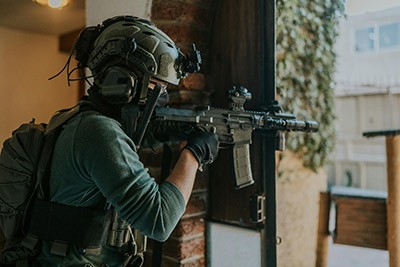






A bulletproof vest consists of two parts: the jacket and the bulletproof layer. There is no doubt that the bulletproof layer is the key. It effectively protects the human body and the parts that want to be protected by absorbing and consuming the kinetic energy of the bullet or shrapnel and preventing its penetration. Think about it, our human body is very fragile. Our soft flesh cannot resist the harm of sharp objects and needs to rely on external forces to protect ourselves.
From ancient times to the present, people have always had a sense of self-protection. The people of primitive ethnic groups all knew how to weave with natural fibers and wear them on the chest to resist external harm. This was the prototype of bulletproof vests. With the progress of The Times, weapons have become increasingly diverse and their destructive power has grown. As a result, the requirements for protection have also increased, and various bulletproof vests have emerged accordingly.
At the end of the 19th century, the first bulletproof vest came out in the United States. It was composed of four layers of silk fibers and could resist most low-speed bullets. During World War I, due to the limited bulletproof capacity of this silk bulletproof vest and the high price of silk products, they chose metal bulletproof vests instead. However, this type of bulletproof vest is made of hard materials and is prone to causing secondary injuries. Moreover, it is relatively thick and heavy, restricting people's flexible movement on the battlefield. Thus, a new bulletproof material - high-performance fibers - emerged. As an important personal protective equipment, bulletproof vests have undergone significant material changes: from metal armor protective plates to non-metallic synthetic materials, and from pure synthetic materials to the composite development of synthetic materials with metal armor plates, ceramic protective plates, etc.